
TL;DR
- Amicus briefs are advocacy submissions from non-parties and should not be treated as neutral fact records.
- Rule text controls who may file, when they may file, and whether court permission or party consent is required.
- A high amicus count can signal interest in a case, but it does not by itself predict outcome.
What we know
When readers search for "charlie kirk amicus briefs", they are usually trying to answer one narrow question: does outside filing activity change what the case currently means. The reliable answer requires reading the filing through the governing rule text, then checking the docket stage, then distinguishing confirmed procedure from commentary. This page treats amicus activity as a procedural artifact that can clarify arguments but does not replace party filings, judicial orders, or the governing standard of review.
Source-grounded facts
- FRAP Rule 29 sets the baseline for amicus filings in federal appellate courts, including timing, consent, and motion requirements when consent is not available.
- Supreme Court Rule 37 governs amicus submissions at the Supreme Court stage, including formatting and timing expectations tied to merits briefing windows.
- SCOTUS Rules (PDF) is useful as the complete procedural reference when summaries online omit context around filing mechanics.
Reporting vs analysis boundary
Reporting in this article is limited to what rule text and docket timing can support directly. Analysis is limited to conditional interpretation, such as how an amicus brief might shape framing or issue emphasis in later briefing. If a claim cannot be tied to rule text and stage, it remains unresolved in the article language.
Amicus briefs are persuasion documents, not evidence files
The core interpretive error in this topic is treating amicus text as if it were an adjudicative finding. An amicus brief can introduce legal framing, policy context, or institutional concerns, but it is still advocacy submitted by a non-party. That matters because SEO queries around this topic often bundle "who filed" with "what the court concluded." Those are different records. In this workflow, filing presence is reported as a procedural event, while legal consequence is discussed only after the court issues an order that can be cited directly.
Consent, leave, and timing rules drive filing posture
Another common miss is assuming every amicus brief reaches the same posture by default. In appellate practice, consent status and motion posture affect how a filing enters the record. Timing also changes interpretive value: pre-argument amicus activity and post-argument activity are not interchangeable signals. For "charlie kirk amicus briefs" coverage, this page treats timing windows as first-order context so readers can see whether a filing arrived during active merits development or after key framing decisions were already locked in by the briefing calendar.
Volume and diversity of amici can be descriptive, not dispositive
Writers often overstate what amicus volume "proves." Multiple briefs may indicate broad external interest, but volume alone does not establish legal correctness, expected disposition, or judicial alignment. The safer interpretation is descriptive: who filed, what issues they emphasized, and which authorities they cited. Predictive claims require additional evidence from orders, questioning patterns, or later procedural movement. This distinction helps prevent keyword cannibalization with outcome-focused posts, because this URL remains scoped to filing mechanics and interpretation discipline.
How to read amicus activity without over-claiming
Step 1: Classify the filing function
Start by classifying the document as non-party advocacy and noting whether it supports a party, supports neither, or addresses institutional concerns. That single classification avoids later confusion where readers treat amici as stand-ins for the parties themselves. In this post, classification is the gate before any narrative summary.
Step 2: Anchor to the controlling rule text
Before discussing implications, match the claim to FRAP Rule 29 or Supreme Court Rule 37, depending on court level. If the claim references a requirement that is not in rule text, confidence stays low. This keeps the article sourced even when social summaries omit procedural details.
Step 3: Place the filing on the case timeline
Timeline placement is critical. An amicus brief filed at one stage can have different practical relevance than a similar brief filed later. This page therefore pairs each interpretation with stage labels and avoids collapsing procedural windows into one narrative block.
Step 4: Separate issue framing from legal effect
Issue framing can influence how a question is presented, but legal effect is shown by later procedural action. That is why this article treats amicus analysis as conditional: it can clarify argument structure without claiming determinative impact unless subsequent records support that claim.
What's next
- Watch for additional amicus entries and record whether they introduce new legal authorities or repeat existing framing.
- Re-check any coverage claim about filing requirements against FRAP Rule 29 before updating language.
- For Supreme Court-stage references, verify timing and permission context with Supreme Court Rule 37.
- Keep timeline notes explicit so readers can distinguish filing events from judicial disposition events.
- If commentary uses amicus volume as an outcome predictor, label that inference as analysis and keep it separate from reporting facts.
- Refresh this page when new procedural records alter filing posture, not merely when discourse volume spikes.
Why it matters
- This page answers a specific procedural intent, which helps search engines route users to the right explainer instead of broad legal-news recaps.
- Distinguishing filing mechanics from outcome claims reduces misinformation risk in fast-moving litigation coverage.
- Readers can validate each core claim against rule text, improving trust and reducing correction churn.
- The article is intentionally scoped to amicus mechanics, lowering overlap with other court-process posts in the same cluster.
- A stable amicus explainer supports cleaner internal linking from timely posts that mention non-party filings.
Scope guardrails for this query
- Treat "charlie kirk amicus briefs" as a filing-mechanics query, not an outcome-prediction query.
- Keep references to party merits arguments separate from references to non-party amicus framing.
- Do not equate filing volume with judicial agreement unless later records show that connection.
- Anchor procedure claims to FRAP Rule 29 or Supreme Court Rule 37, depending on court level.
- Preserve stage labels in updates so timeline shifts remain auditable.
- Route broader disposition questions to the court-process and appeal explainers to avoid cannibalization.
Related reading on this site
- Charlie Kirk federal court process guide for 2026 coverage
- Charlie Kirk media claim verification playbook
- media fact-checks hub
- weekly political roundup
Sources
- FRAP Rule 29: https://www.law.cornell.edu/rules/frap/rule_29
- Supreme Court Rule 37: https://www.law.cornell.edu/rules/supct/rule_37
- SCOTUS Rules (PDF): https://www.supremecourt.gov/ctrules/2019RulesoftheCourt.pdf
Image Credit
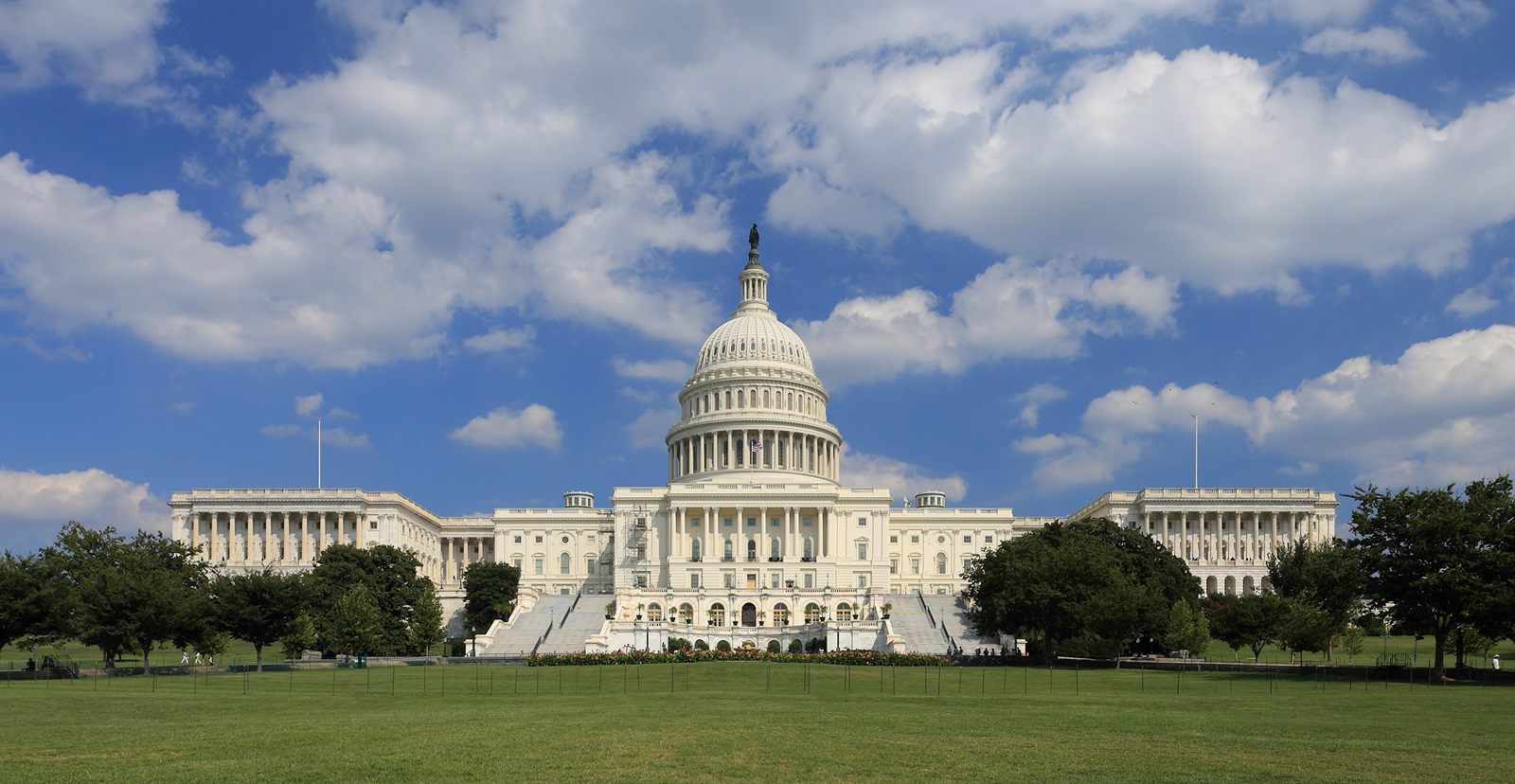
- US Capitol west side, via Wikimedia Commons (CC BY-SA 3.0): https://commons.wikimedia.org/wiki/File:US_Capitol_west_side.JPG
