
Charlie Kirk campus chapter guide starts with one practical truth: most student chapters fail because operations break before momentum compounds. Students usually spend too much time debating branding and not enough time confirming recognized student organization requirements, advisor rules, and event approval timelines. If you want a chapter that lasts beyond one semester, build the administrative spine first, then run message and recruitment strategy on top of it.
What problem does this guide solve for campus organizers?
Student organizers often face three parallel demands: local campus policy, national chapter standards, and fast social-media pressure to produce visible activity. Without a system, those demands collide. You either over-index on compliance and never recruit, or you over-index on visibility and trigger preventable administrative problems.
This guide gives you a middle path. It combines practical launch sequencing, risk-control checkpoints, and first-semester execution patterns so a chapter can survive turnover and stay active. It also complements the site's campus speech strategy explainer, TPUSA events tracker, and movement strategy topic hub so you can connect chapter operations to broader event and media context.
Why timing matters more than intensity
A large kickoff can create attention, but attention decays quickly if you do not have weekly systems. The durable model is weekly tabling, weekly follow-up, one monthly flagship event, and one monthly skills meeting for officers. That cadence prevents burnout and creates a predictable funnel from first contact to active member.
Baseline launch timeline
| Week | Priority | Output |
|---|---|---|
| Week 1 | Campus recognition package | Constitution draft, officer slate, advisor outreach |
| Week 2 | Recruitment setup | Interest form, QR code handout, first table shifts |
| Week 3 | First public event | Room booking, speaker plan, moderation rules |
| Week 4 | Retention system | New-member orientation, committee assignments, follow-up calendar |
How do you start a TPUSA chapter without admin delays?
Start with a recognition checklist, not a social media announcement. Most campuses require a constitution, at least two officers, an advisor, anti-discrimination compliance language, and a process for officer transitions. If one item is missing, the approval clock usually resets.
Step 1: Build the recognition packet before recruiting publicly
Write a constitution that describes purpose, voting rules, officer responsibilities, and meeting cadence in plain language. Keep it short enough that new officers can actually use it. Add one-page appendices for event conduct, social post approval, and media response rules. Those appendices prevent last-minute confusion.
Then build a shared drive with five folders: governance, recruiting, events, finance, and media. Every new officer should know exactly where records live. Chapters lose continuity when documents sit in personal accounts owned by graduating students.
Step 2: Map campus policy constraints early
Before you set event dates, meet student activities staff and ask three questions in writing:
- What is the room booking lead time for political events?
- What security conditions trigger extra approvals?
- What are the posting and tabling rules by location?
Written answers reduce disputes later. Courts have repeatedly recognized student group speech and association rights while allowing schools to enforce neutral time-place-manner rules, so documentation quality matters when disagreements arise. For legal grounding, see Cornell Law summaries for Healy v. James and Rosenberger v. University of Virginia.
Step 3: Secure advisor alignment and backup coverage
Advisor problems are a top failure point. Some chapters recruit a high-energy advisor who later leaves, and the chapter stalls immediately. Choose one primary advisor and one backup faculty or staff contact. Schedule a short monthly check-in and send them a one-page update before each meeting. This keeps the advisor role active instead of symbolic.
What documents do campuses usually require for recognized student organizations?
Campuses differ, but the requirements cluster around governance, inclusion policy, finances, and risk controls. Treat every required document as an operating tool rather than bureaucratic homework.
Core document stack
- Constitution with mission, membership criteria, and election process
- Officer contact sheet and succession protocol
- Advisor confirmation form
- Event risk protocol (especially for high-attention speakers)
- Budget request template and expense approval flow
Recommended additions most chapters skip
- Incident response checklist for disruptions or misquotes
- Social media escalation tree (who approves what and when)
- Volunteer code of conduct for tabling teams
- Post-event after-action template
When chapters skip these documents, leadership turnover becomes a crisis. When chapters maintain them, transitions become manageable and institutional memory stays intact.
Compliance and rights context
Public institutions can enforce neutral procedures, but they cannot deny recognition based on viewpoint. Private institutions follow their own policy frameworks but often promise expressive rights in student handbooks. FIRE's campus speech research can help teams compare local policy language and enforcement patterns: Guide to Free Speech on Campus.
What should a chapter do in the first 30 days?
The first month determines whether your chapter becomes an enduring campus institution or a short-lived social media project. Build around four tracks: recruiting, training, events, and retention.
Recruiting track: target consistency over scale
Run two table sessions per week in high-foot-traffic windows. Use one script for first contact and one script for follow-up messages. Every lead goes into one shared sheet within 24 hours. Label each contact by status: new, attended first meeting, active volunteer, or leadership prospect.
Use small conversion goals:
- 40 to 60 signups per week from tabling and class-network outreach
- 25 percent first-meeting attendance rate
- 40 percent second-meeting return rate
These benchmarks are realistic for most campuses and force honest evaluation.
Training track: teach members how to operate
New members often want to help but do not know where to plug in. Host a 45-minute onboarding each week with three parts: chapter mission, event roles, and communication norms. End with assignments before people leave the room. Assignment clarity is the difference between "interested" and "active."
Events track: launch one flagship event carefully
Pick one event format you can execute well: panel discussion, issue briefing, or guest speaker Q and A. Do not start with three event types at once. Repetition builds quality and lowers coordination errors.
A practical pre-event checklist:
- Room confirmed in writing with setup diagram
- Moderator brief with approved opening/closing script
- Crowd management roles assigned
- Recording and clipping plan approved
- Post-event member sign-up funnel tested
Retention track: convert attendance into ownership
Within 48 hours of any event, send a structured follow-up: thank-you note, one next action, next meeting date, and one role invitation. People stay when they have a role. They drift when they are only an audience.
Can universities deny a political chapter, and what should students do if access is inconsistent?
Viewpoint-based denial creates legal risk for institutions, but many disputes are framed as procedural noncompliance rather than viewpoint conflict. That is why documentation discipline matters. Keep records of every submission, response timestamp, and policy citation.
If treatment appears inconsistent, escalate in layers:
- Ask for written clarification tied to published policy language.
- Request a meeting with student affairs leadership and bring your document log.
- Submit a formal appeal through campus channels.
- Seek outside guidance if internal remedies fail.
This method keeps the chapter factual and process-driven, which is generally more effective than purely rhetorical conflict.
Scenario analysis: high-friction vs low-friction campuses
| Scenario | Typical failure mode | Better playbook |
|---|---|---|
| High-friction campus | Organizers personalize every delay | Keep a dated policy log and escalate through formal channels |
| Medium-friction campus | Event planning outruns approval rules | Standardize lead times and pre-approve event formats |
| Low-friction campus | Fast growth without leadership depth | Build committees and officer training before expansion |
Budgeting and funding: where chapters lose momentum quietly
Many chapters can recruit but cannot execute events because budgeting is ad hoc. Build one transparent budget model that separates baseline operations from flagship events.
Suggested semester budget model
- Baseline operations (printing, tabling materials, room accessories): 35 percent
- Member training and onboarding assets: 15 percent
- Flagship event logistics: 35 percent
- Contingency and risk controls: 15 percent
Use a simple rule: no unapproved spending commitments by individual officers. Financial discipline prevents trust breakdowns and protects the chapter when officers rotate.
Funding sources and constraints
Campus funding boards may require content-neutral procedures and advance requests. Some campuses reimburse after expenses; others require pre-approval. Build lead time into your planning calendar so cash-flow gaps do not cancel events.
For internal governance and compliance expectations, review TPUSA's chapter-facing standards hub: TPUSA Chapter Resources.

Media strategy for chapter leaders: clarity beats virality
Campus political chapters often overestimate short-clip reach and underestimate local trust. A good media system has three lanes: informational posts, event promotion, and rapid response.
Informational lane
Publish one weekly post that explains one issue and one campus action opportunity. Keep copy specific and non-inflammatory. Over time, consistency builds credibility with students who are not already in your orbit.
Event promotion lane
For every event, publish three assets: announcement, reminder, and post-event recap with next step. Recap posts should include attendance context and one concrete follow-up action.
Rapid response lane
When controversy spikes, publish only after facts are verified. Use the site's claim vs evidence tracker approach: state what is known, what is unconfirmed, and what source class supports each claim. This keeps chapters from amplifying low-confidence narratives that can damage campus relationships.
Officer structure that survives graduation cycles
Leadership collapse is predictable when chapters run on one charismatic organizer. Durable chapters distribute authority and document workflows.
Recommended officer map
- Chapter president: strategy and campus admin interface
- Operations lead: calendars, checklists, event logistics
- Membership lead: recruiting funnel and onboarding
- Media lead: communications and content standards
- Finance lead: budget controls and reimbursement workflow
Every officer role should have a deputy by mid-semester. Deputies reduce succession risk and train next-cycle leaders.
Minimum governance rules
- Fixed election timeline each semester
- Written handoff packet for each role
- Shared password and account custody policy
- Monthly dashboard with recruiting, attendance, and retention metrics
Chapters that treat governance as optional usually reset to zero each year.
FAQ: Charlie Kirk campus chapter guide
How long does chapter approval usually take?
Approval timelines vary, but many campuses process recognized student organization requests in two to six weeks if documents are complete. Delays most often come from missing advisor paperwork or incomplete constitutions. Submit complete packets early in the term and ask for written status checkpoints.
What is the fastest way to recruit without burning out officers?
Run a fixed weekly cadence: two table sessions, one orientation meeting, and one follow-up block where every new contact receives a next action. This prevents last-minute scramble cycles and keeps member flow predictable.
Should chapters prioritize speakers or member training first?
Member training first. Speaker events are useful for visibility, but training creates execution capacity. A chapter with strong training can run events repeatedly; a chapter built only around speakers usually struggles after the first large event.
How can chapters reduce conflict with campus administrators?
Use policy-cited communication, keep a documented approval timeline, and avoid vague requests. Administrators are more likely to respond constructively when organizers present clear compliance records and specific asks.
Which pages should organizers read next on this site?
Start with the start here guide, then review the weekly roundup for current movement signals and the media fact-checks topic hub for verification workflows.
Implementation checklist for chapter teams
- Recognition packet complete with constitution, officers, and advisor confirmation
- Shared operating drive created with governance and event templates
- 30-day recruiting and onboarding cadence scheduled
- One flagship event approved with risk and follow-up plans
- Financial controls and approval rules documented
- Officer deputies assigned before mid-semester
- Monthly dashboard reporting active members and retention
Sources
- TPUSA Student Action resources: https://www.tpusa.com/student-action
- FIRE guide to free speech on campus: https://www.thefire.org/research-learn/guide-free-speech-campus
- Cornell Law, Healy v. James summary: https://www.law.cornell.edu/supremecourt/text/408/169
- Cornell Law, Rosenberger v. University of Virginia decision text: https://www.law.cornell.edu/supct/html/94-329.ZS.html
Image Credit
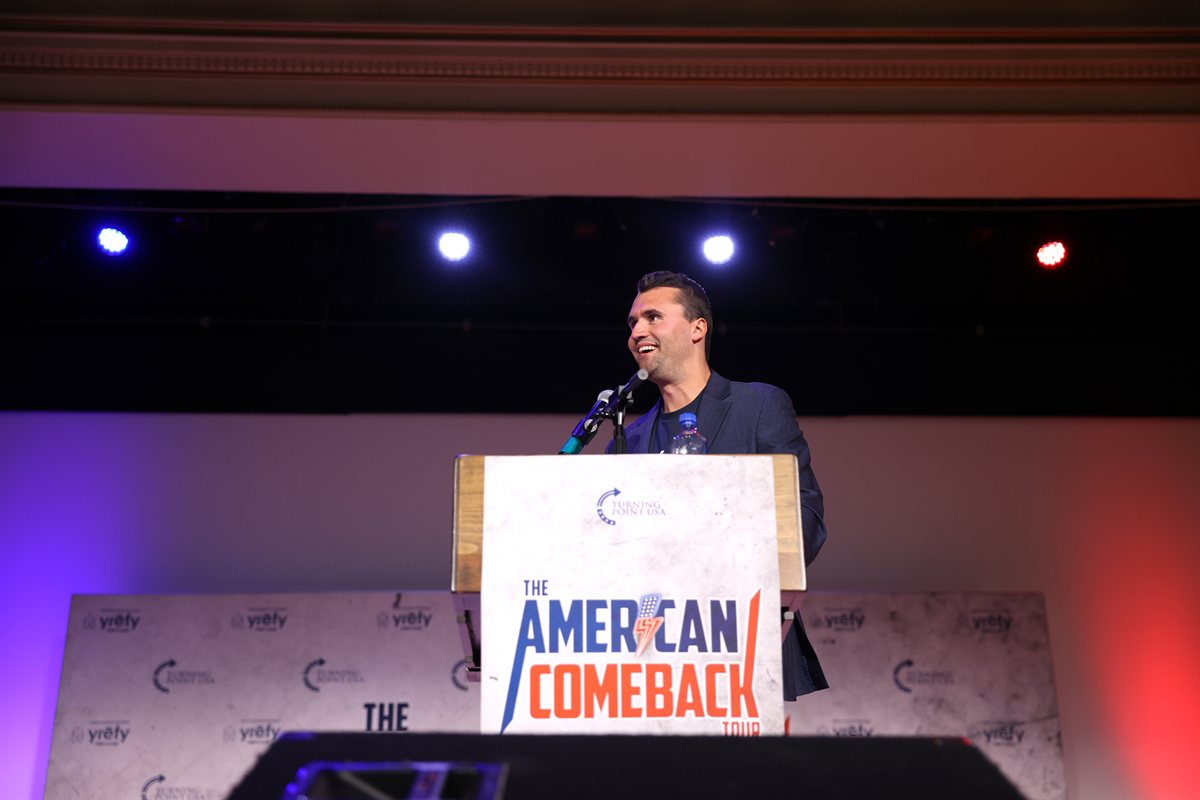
- Charlie Kirk (54507259485), photo by Gage Skidmore, via Wikimedia Commons (CC BY-SA 2.0): https://commons.wikimedia.org/wiki/File:Charlie_Kirk_(54507259485).jpg
- US Capitol west side, via Wikimedia Commons (CC BY-SA 3.0): https://commons.wikimedia.org/wiki/File:US_Capitol_west_side.JPG
- Phoenix, Arizona (55076503847), photo by Gage Skidmore, via Wikimedia Commons (CC BY-SA 2.0): https://commons.wikimedia.org/wiki/File:Phoenix,_Arizona_(55076503847).jpg
.jpg)

.jpg)