
Charlie Kirk board of visitors explained starts with a legal reality that often gets lost in social clips: Boards of Visitors are governance and oversight mechanisms, not command staffs. If you are trying to understand what an appointment means in practice, you need to separate institutional authority, political signaling, and actual policy implementation timelines. This guide does that step by step using statute text, academy documentation, and repeatable verification rules.
What is the Air Force Academy Board of Visitors?
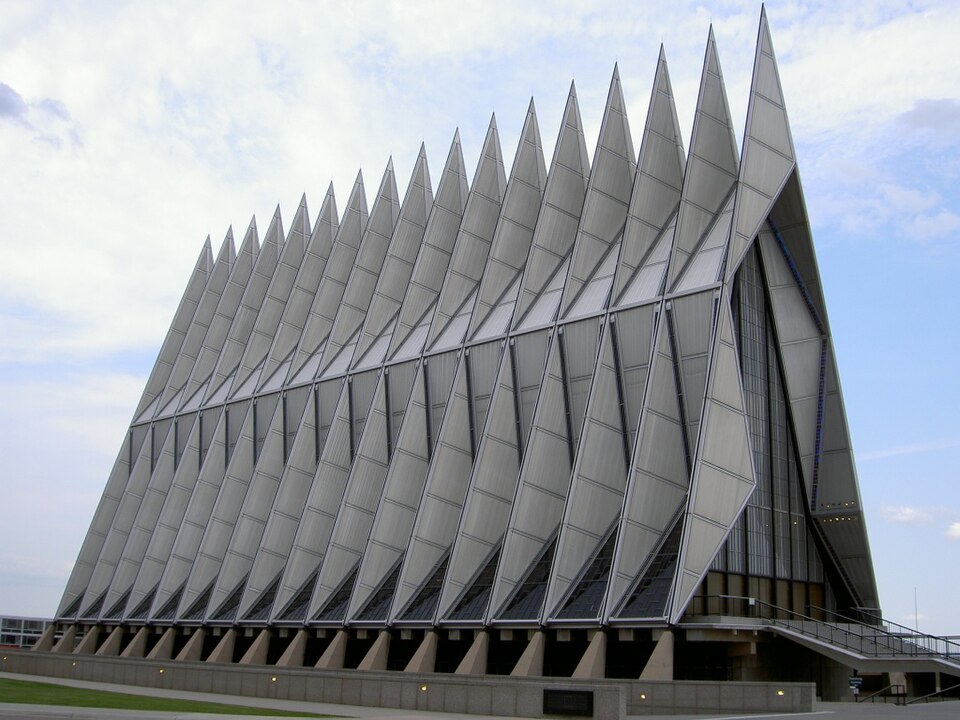
The United States Air Force Academy Board of Visitors is an oversight body established under federal law and tied to the Academy's mission, operations, and accountability practices. In plain terms, the board reviews broad institutional conditions, receives briefings, and can issue observations or recommendations. It is not the same as Academy leadership, and it does not replace command channels. The Academy's own Board of Visitors page is the fastest official orientation point: https://www.usafa.edu/board-of-visitors/.
Most confusion comes from treating the phrase "Board of Visitors" as if it means a private nonprofit board or a corporate board with direct executive control. It does not. In the service-academy context, boards are statutory and public-facing oversight structures with defined membership pathways and reporting expectations.
Why this topic keeps trending in Charlie Kirk coverage
Interest spikes when high-recognition public figures are reported as appointees or potential appointees. In those moments, readers usually ask five practical questions:
- Is the appointment claim authentic?
- Who actually appoints members?
- What can members do once seated?
- What can they not do?
- What should we expect in the first 90 days after appointment?
Those are strong questions, and they are answerable with documents. The error pattern appears when commentary skips documents and jumps to predictions.

Who appoints Board of Visitors members?
Appointment pathways for service-academy boards are set in federal law, with seats tied to executive and legislative branches. Exact distribution can vary by academy statute and amendments over time, which is why date-stamped reading matters. If you quote appointment mechanics, always cite the current statute text, not an old explainer thread. A direct legal starting point for the Air Force Academy board is 10 U.S.C. § 9455: https://www.law.cornell.edu/uscode/text/10/9455.
A practical approach is to treat appointments as a three-source confirmation task:
- Source 1: Statute text for formal appointment structure and duties.
- Source 2: Official academy or department page for current board listing.
- Source 3: Dated announcement for when and by whom a specific person was designated.
If one of those three is missing, confidence should be reduced until the record is complete.
Appointment verification table
| Question | Fast check | Why it matters |
|---|---|---|
| Is this seat real? | Read current statute section for the specific academy | Prevents citing obsolete seat structures |
| Is this person currently listed? | Check official board roster page | Detects recycled or outdated claims |
| Is timing accurate? | Locate dated release or official statement | Separates rumor from confirmed appointment |
| Is role being overstated? | Compare claim text to statutory powers | Prevents "board member = command authority" errors |
When readers apply this table, misinformation volume drops quickly because low-evidence claims become obvious.
What powers does a Board of Visitors actually have?
A Board of Visitors can review, ask questions, receive institutional updates, and issue oversight-oriented observations. It can influence public narrative, pressure priorities, and elevate issues into higher-visibility channels. But it generally does not function as a daily management body and does not directly execute command decisions.
This difference between oversight influence and operational command is the core concept behind charlie kirk board of visitors explained. Appointments can be politically meaningful while still operating inside a bounded legal structure.
Authority vs expectation: side-by-side
| Topic | What the board can do | What the board cannot do directly |
|---|---|---|
| Information access | Receive briefings and institutional reports | Unilaterally compel any policy change outside legal process |
| Oversight voice | Raise concerns, request accountability focus | Replace chain-of-command authorities |
| Public impact | Shape public conversation and priority pressure | Act as day-to-day campus operations leadership |
| Recommendation output | Contribute to documented oversight narrative | Write binding operational orders for Academy units |
When social posts skip this distinction, readers end up with inflated expectations and distorted timelines.
Can a Board of Visitors change Academy policy immediately?
Usually no, not in the instant way viral posts imply. Policy movement in military education settings typically runs through established administrative, legal, and command pathways. Even when a board highlights a concern, translation into durable policy often requires additional review, legal coordination, and implementation sequencing.
That means serious readers should evaluate claims by timeline stage, not headline confidence.
Four-stage timeline readers can use
- Appointment signal stage: public claim, initial reaction, agenda speculation.
- Oversight engagement stage: briefings, meetings, issue identification.
- Institutional response stage: internal review, legal/policy drafting, command consideration.
- Implementation stage: formal changes, guidance updates, measurable outcomes.
The gap between stage 1 and stage 4 can be substantial. If coverage presents stage 1 as completed stage 4, accuracy is already broken.
How should you verify Charlie Kirk Board of Visitors claims in real time?
Fast cycle stories move quickly on social platforms, so you need a repeatable process that does not depend on political preference. The workflow below is designed for 15- to 25-minute checks during high-volume news windows.
8-step verification workflow
- Capture the exact claim text and timestamp.
- Identify which academy the claim references.
- Pull the current statute section for that academy board.
- Check the academy or department board roster page.
- Find an official dated announcement naming the appointee.
- Map the claim to authority category: advisory, oversight, or operational.
- Label confidence: high, medium, or low.
- Share only with your confidence label and source links.
This is a faster and more accurate method than waiting for a single "fact-check" article because you can independently confirm each leg of the claim.
Confidence labels for appointment stories
- High confidence: statute, roster, and dated announcement all align.
- Medium confidence: two of three records align; one is pending or unclear.
- Low confidence: claim relies on screenshots, repost chains, or undated summaries.
A low-confidence claim can still become true later, but the responsible move is to mark it unresolved until the record is complete.
Why this matters for institutional trust and media literacy
Board appointments involving recognizable figures are not just governance stories; they are also stress tests for how audiences handle uncertainty. If coverage treats every appointment headline as immediate policy reality, readers lose the ability to distinguish signal from implementation. Over time, that damages trust in both media and institutions.
By contrast, process-first reporting gives readers a durable framework:
- It clarifies legal boundaries.
- It keeps timeline expectations realistic.
- It reduces overstatement and correction churn.
This same approach appears across our existing explainers, including the media claim verification playbook, the congressional oversight hearings explainer, and the federal rulemaking process explainer.
Common interpretation mistakes and how to avoid them
Mistake 1: Treating appointment as instant institutional control
An appointment can shift conversation power and oversight emphasis, but institutional change still follows formal pathways. Avoid writing or sharing language that implies immediate command-level transformation without documentary evidence.
Mistake 2: Using old legal text
Service-academy statutes and board structures can be amended. Always use the current statute page and note access date in your reporting notes. If you need amendment history context, verify against the current congressional text portal before publishing: https://www.congress.gov/.
Mistake 3: Confusing Academy board roles with nonprofit roles
"Board" vocabulary can mislead readers who assume private-sector governance models. In federal service-academy contexts, authority and obligations are tied to statute, not private bylaws.
Mistake 4: Skipping chronology
Undated screenshots and clipped quotes are common failure points. If you cannot place a claim in sequence, confidence should remain low.
Scenario analysis: what different outcomes would look like
To make this practical, here are three plausible scenarios readers may encounter after a high-profile appointment claim.
Scenario A: Claim verified, expectations inflated
The appointment is real and documented, but social narratives claim immediate policy takeover. In this scenario, the correction is not "appointment false"; it is "authority overstated." Coverage should pivot to oversight scope and timeline staging.
Scenario B: Claim partially true, timeline wrong
A person is selected or announced, but posts describe actions before the board process reaches the relevant stage. Here, language should shift from completed outcomes to pending or developing oversight activity.
Scenario C: Claim unverified
No complete document set exists yet, and most posts cite secondary reposts. Best practice is to mark the item unresolved and revisit when roster + announcement + statute alignment is available.
Editorial checklist for publishing on Board of Visitors stories
Use this checklist before publishing or reposting an explainer:
- Confirm exactly one primary claim per paragraph.
- Attach at least one primary-source link to each major assertion.
- Distinguish legal authority from political significance.
- Label unresolved points explicitly.
- Add one paragraph on what evidence would change your current assessment.
This checklist is simple, but it prevents most high-velocity errors in governance reporting.
How this page fits with the rest of the Charlie Kirk Hub coverage map
This article is intentionally narrow: it explains board structure, appointment verification, and authority limits. It does not attempt to resolve every policy debate that can follow a high-profile appointment story. For adjacent reading paths:
- Start with Turning Point USA vs Turning Point Action for legal-entity distinctions.
- Continue to election rumor-control workflow for rapid verification discipline.
- Use Claim vs Evidence tracker for confidence-labeled monitoring.
- Review federal court process guide for how legal disputes move after institutional conflicts.
Keeping pages scoped this way improves internal linking clarity and reduces content cannibalization.
Data-oriented quick reference
What to record when you track a board appointment claim
| Field | Example value | Why include it |
|---|---|---|
| Claim text | "X appointed to Air Force Academy Board of Visitors" | Preserves the exact assertion |
| First seen time | 2026-03-16 10:42 ET | Anchors chronology |
| Statute citation | 10 U.S.C. section for academy board | Grounds authority claims |
| Official roster link | Academy board page URL | Confirms current listing |
| Announcement link | Dated official release | Verifies source and date |
| Confidence label | High / Medium / Low | Communicates evidence status |
Even a basic table like this can turn a chaotic feed event into trackable reporting.
FAQ: Charlie Kirk board of visitors explained
What is the Air Force Academy Board of Visitors?
It is a statutorily defined oversight board connected to the Academy's governance and accountability framework. Its role is review and oversight, not routine command of Academy operations.
Who appoints Board of Visitors members?
Appointments are allocated through pathways defined in federal law, involving executive and legislative actors. Because structures can change with statutory updates, readers should confirm current text and current roster together.
What powers does a board member actually have?
Board members can participate in oversight, review, and recommendation activity. They do not directly run day-to-day Academy command functions or bypass formal implementation channels.
Can a Board of Visitors appointment change policy overnight?
In most cases, no. Appointments can affect oversight emphasis and public attention quickly, but durable policy changes typically require additional formal steps and time.
How can I verify appointment claims before sharing?
Use a three-source check: statute, official roster, and dated announcement. If one source is missing, label the claim as unresolved rather than presenting it as final.
Sources
- U.S. Air Force Academy Board of Visitors overview: https://www.usafa.edu/board-of-visitors/
- Cornell Law School LII, 10 U.S.C. § 9455 (Air Force Academy Board of Visitors): https://www.law.cornell.edu/uscode/text/10/9455
- U.S. Congress legislative text portal (for statute cross-checking): https://www.congress.gov/
- U.S. Department of Defense official site (institutional reference context): https://www.defense.gov/
- Turning Point USA official organization page (entity context): https://www.tpusa.com/
Image Credit
- USAFA Cadet Chapel, via Wikimedia Commons (CC BY-SA 3.0): https://commons.wikimedia.org/wiki/File:USAFA_Cadet_Chapel.jpg
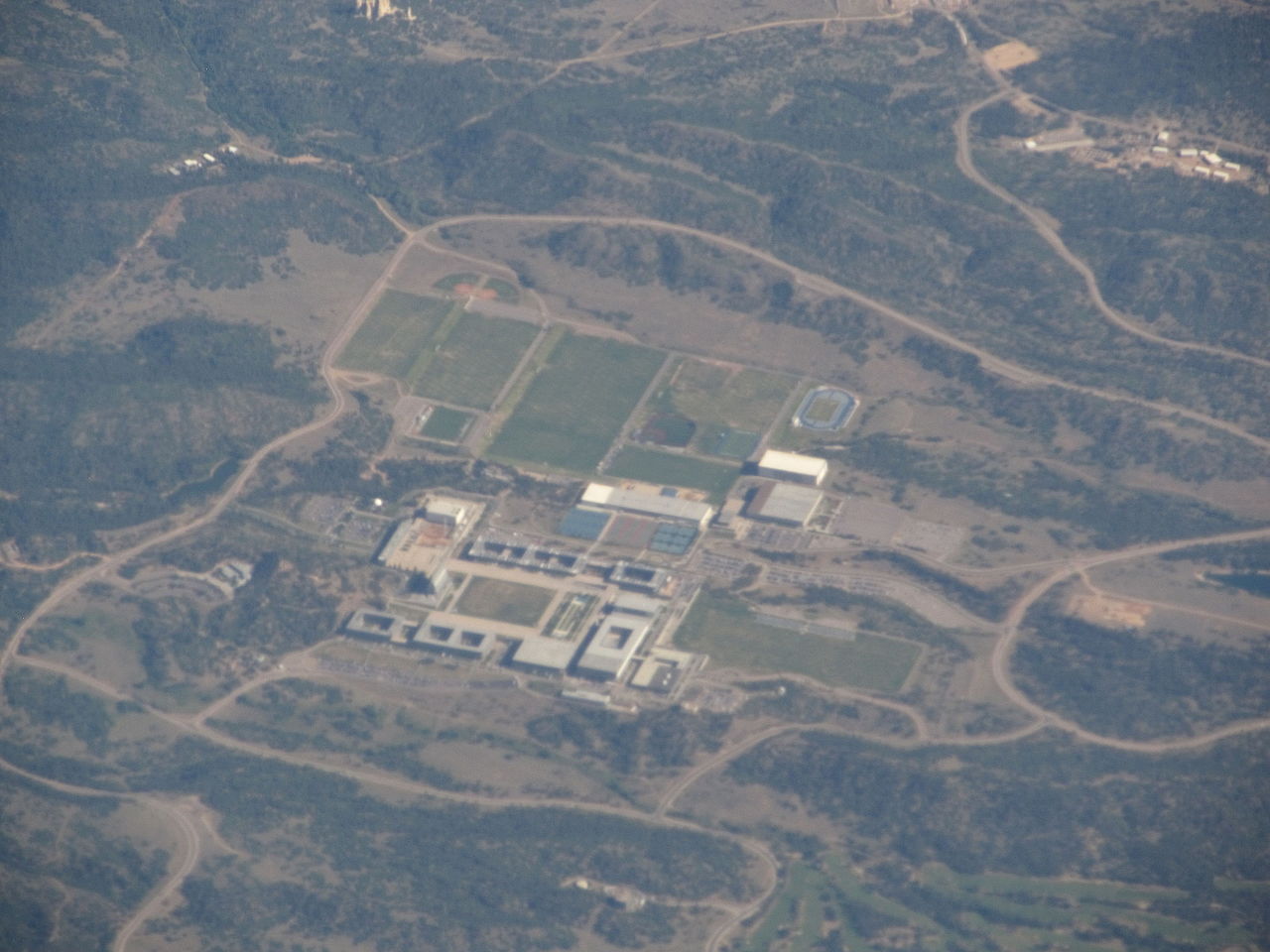
- USAF Academy campus photo, via Wikimedia Commons (public domain source listing): https://commons.wikimedia.org/wiki/File:USAF_Academy.jpg
- The Pentagon, Washington, D.C., via Wikimedia Commons (CC BY 2.0): https://commons.wikimedia.org/wiki/File:The_Pentagon,_Washington,_D.C.,_USA.jpg
- United States Air Force Academy, Colorado Springs, via Wikimedia Commons (CC BY-SA 2.0): https://commons.wikimedia.org/wiki/File:United_States_Air_Force_Academy,_Colorado_Springs,_Colorado_(9181514976).jpg


.jpg)