
TL;DR
- A cert petition asks the Supreme Court to review a lower-court judgment; review is discretionary, not automatic.
- Rule 10 describes considerations that may support review, but it does not create an entitlement to review.
- Reliable interpretation requires separating petition rhetoric from docket action and from eventual merits outcomes.
What we know
The query "charlie kirk cert petition" usually appears when readers want to know whether a case is likely to be heard by the Supreme Court. The short answer is procedural: a petition can be significant as a filing event without signaling probable grant by itself. This explainer is built to keep that distinction visible. It maps petition-stage mechanics to governing rules and then marks where interpretation becomes conditional.
Source-grounded facts
- Supreme Court Rule 10 describes considerations that may inform certiorari review; the rule language does not guarantee review in any category.
- SCOTUS Rules (PDF) provides the broader filing and procedural framework used to verify timing, formatting, and petition-stage mechanics.
- Guide for In Forma Pauperis Cases is a practical reference for petition mechanics in IFP pathways and helps prevent terminology drift in coverage.
Reporting vs analysis boundary
Reporting here is limited to petition filing status, rule-grounded procedure, and visible docket posture. Analysis begins only when discussing potential implications and is labeled as interpretation. If a claim about likelihood cannot be tied to record-level indicators, the claim stays provisional.
Rule 10 is a guide to considerations, not a prediction formula
A recurring SEO error is treating Rule 10 language like a scoring checklist where meeting one factor implies likely grant. The rule itself is framed as guidance on considerations, not a deterministic model. That distinction matters for editorial integrity. On this page, Rule 10 references are used to explain legal framing and petition strategy, while probability language is constrained unless additional signals appear in the procedural record.
Petition-stage records and merits-stage outcomes are separate tracks
Another common confusion point is collapsing petition activity into merits assumptions. Petition acceptance, if it occurs, only moves the case into a different procedural phase. It does not resolve the underlying dispute. This article therefore keeps petition-stage entries, court action, and eventual merits outcomes in separate analytical buckets. The goal is to reduce stage collapse and keep readers oriented to what has actually happened versus what is being argued.
Docket discipline prevents false certainty
Coverage quality improves when docket chronology is explicit. If the record shows a petition filed but no further Court action, the update should remain a petition-status report. If later procedural movement appears, language can be adjusted with clear date stamps and source links. This is slower than reaction-style writing, but it reduces correction risk and protects long-tail search trust for users seeking procedural clarity.
Practical reading workflow for cert coverage
Check 1: Confirm filing posture
Start by confirming whether the document discussed is actually a petition for certiorari and whether coverage is describing filing posture or court action. This classification avoids conflating advocacy language with judicial action.
Check 2: Match claims to rule language
For any claim about why review might occur, compare that claim directly to Supreme Court Rule 10. If the claim depends on language not present in the rule framework, keep confidence low and label the statement as interpretation.
Check 3: Verify process mechanics with complete references
When summaries omit technical details, verify process mechanics against SCOTUS Rules (PDF) or Guide for In Forma Pauperis Cases, depending on pathway. This preserves precision in terminology and filing-stage descriptions.
Check 4: Update language only when posture changes
Revision discipline matters. If the posture remains unchanged, update timestamps and keep outcome wording stable. Change interpretation only when procedural records actually move.
Common overreads to avoid
Two overreads show up repeatedly in this query class. First, treating a petition as if it were a grant signal rather than a request for review. Second, treating a Rule 10 reference as a prediction formula rather than a framework for potential considerations. This page keeps both overreads out of the reporting layer by requiring explicit stage labels and dated source checks before language is upgraded.
What's next
- Monitor docket-facing updates and distinguish petition activity from subsequent Court action.
- Re-check all Rule 10 references against Supreme Court Rule 10 before publishing directional claims.
- Use SCOTUS Rules (PDF) for procedural wording when social summaries omit context.
- Where IFP mechanics are discussed, verify framing with Guide for In Forma Pauperis Cases.
- Keep unresolved probability language visible until record changes justify stronger interpretation.
- Route merits-stage questions to separate explainers so this page remains cert-stage specific.
Why it matters
- This URL serves a high-intent procedural query and should remain tightly scoped to cert mechanics.
- Separating filing events from judicial action reduces reader confusion and overconfident headlines.
- Rule-grounded language improves content reliability and makes corrections less frequent.
- A cert-specific explainer supports internal linking from broader litigation updates without duplicating those posts.
- Stage-aware writing preserves SEO clarity by aligning one page to one procedural search intent.
Scope guardrails for this query
- Treat "charlie kirk cert petition" as a petition-stage query, not a merits-outcome query.
- Do not frame Rule 10 considerations as guaranteed grant criteria.
- Keep petition rhetoric and Court action in separate paragraphs and update logs.
- Anchor procedural claims to Supreme Court Rule 10 and SCOTUS Rules (PDF).
- Use explicit date markers when posture is unchanged to avoid narrative drift.
- Preserve this page as the canonical cert explainer to avoid keyword cannibalization within the legal cluster.
Related reading on this site
- Charlie Kirk federal court process guide for 2026 coverage
- Charlie Kirk media claim verification playbook
- media fact-checks hub
- Charlie Kirk latest political news February 2026
Sources
- Supreme Court Rule 10: https://www.law.cornell.edu/rules/supct/rule_10
- SCOTUS Rules (PDF): https://www.supremecourt.gov/ctrules/2019RulesoftheCourt.pdf
- Guide for In Forma Pauperis Cases: https://www.supremecourt.gov/casehand/guideforIFPcases2019.pdf
Image Credit
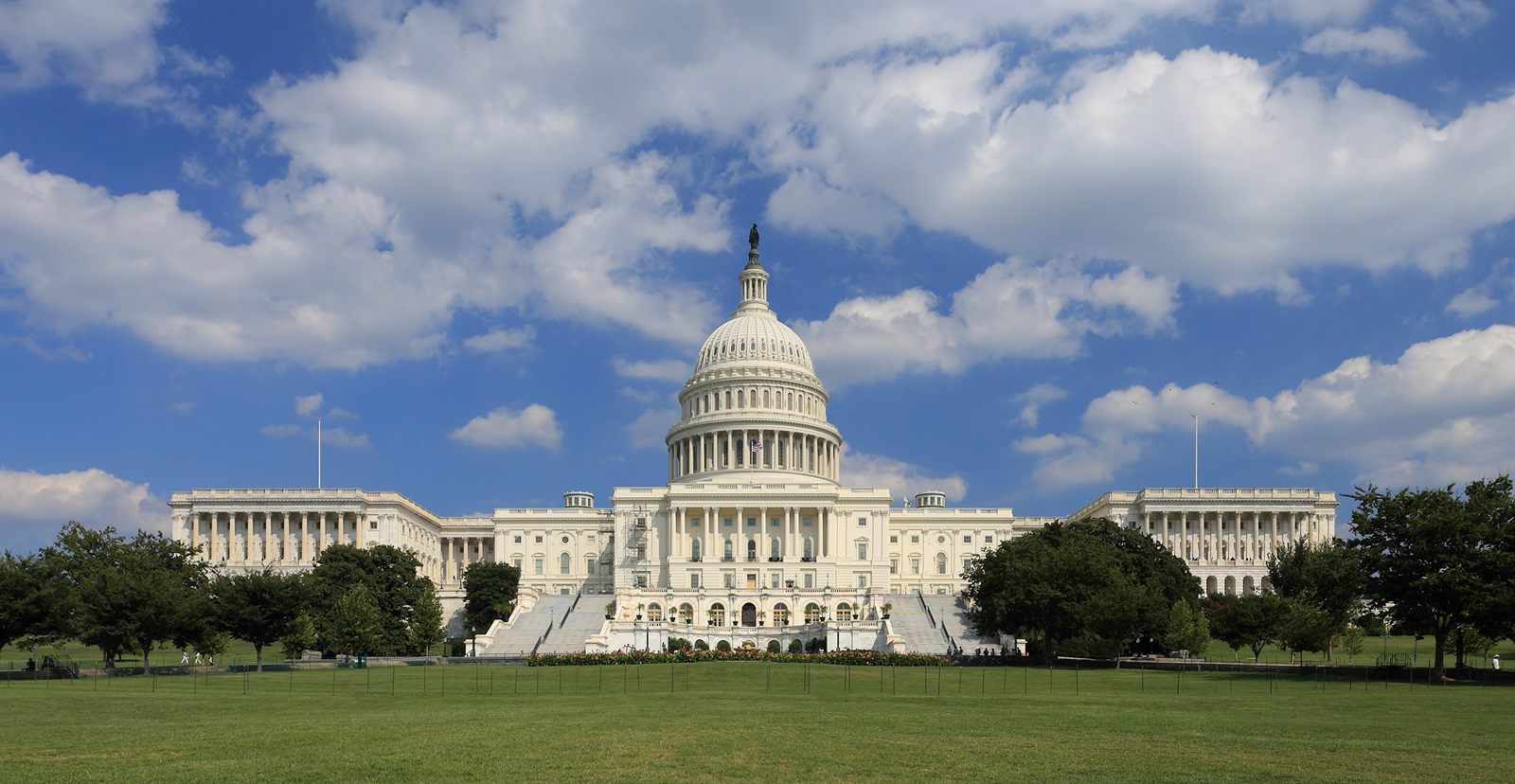
- US Capitol west side, via Wikimedia Commons (CC BY-SA 3.0): https://commons.wikimedia.org/wiki/File:US_Capitol_west_side.JPG
