
Charlie kirk religion denomination searches usually come from readers trying to reconcile conflicting headlines in a few minutes. If your goal is accuracy, start by identifying the exact claim type first: direct self-description, third-party classification, institutional affiliation, or political framing label. That single step prevents most errors people make when discussing faith identity in public-life coverage, and it keeps this topic factual instead of rhetorical.
What does "Charlie Kirk religion denomination" mean as a search query?
The query usually carries one of four user intents. Some readers want a short factual answer, others want a denomination taxonomy, and many want help sorting rumor from verified reporting. Treating all intents as one question creates confusion.
Four search intents behind the same phrase
| Search intent | Typical user question | Best evidence type |
|---|---|---|
| Identity intent | "What religion did he identify with?" | Direct quotes, interviews, first-party statements |
| Denomination intent | "Was he evangelical, Protestant, or Catholic?" | Definitions + sourced descriptors from credible outlets |
| Timeline intent | "Did this change over time?" | Date-stamped statements ordered chronologically |
| Framing intent | "Was this Christian nationalism?" | Analytical reporting with explicit methodology |
If you publish without naming the intent you are answering, your article can sound definitive while actually mixing separate questions.
Why this term gets misreported
Denomination reporting is often imprecise because writers collapse theology, church attendance, political movement labels, and media framing into one sentence. A better approach is to separate those layers and cite each one independently.
What religion did Charlie Kirk identify with in direct statements?
Across widely cited public appearances and interviews, Charlie Kirk was most often described as identifying as Christian, with frequent references to evangelical language in public commentary. The critical reporting rule is to quote self-identification exactly and avoid adding denomination certainty that the primary source does not explicitly provide.
Direct-statement rule
Use this language discipline:
- Quote first-person faith statements as direct attribution.
- Label non-first-person descriptions as secondary characterization.
- Distinguish "religious identity" from "political theology label."
- Add date and source format to every identity claim.
Claim classification table
| Claim type | Example wording | Confidence threshold |
|---|---|---|
| Direct self-identification | "He described himself as Christian" | High, if directly sourced |
| Reported identity descriptor | "Outlet X called him evangelical" | Medium, unless direct quote shown |
| Speculative conversion claim | "He was close to converting" | Low to medium unless corroborated |
| Ideological label | "Commentator framed this as Christian nationalism" | Medium, depends on analytical rigor |
This framework makes your copy more defensible than unsourced one-line summaries.
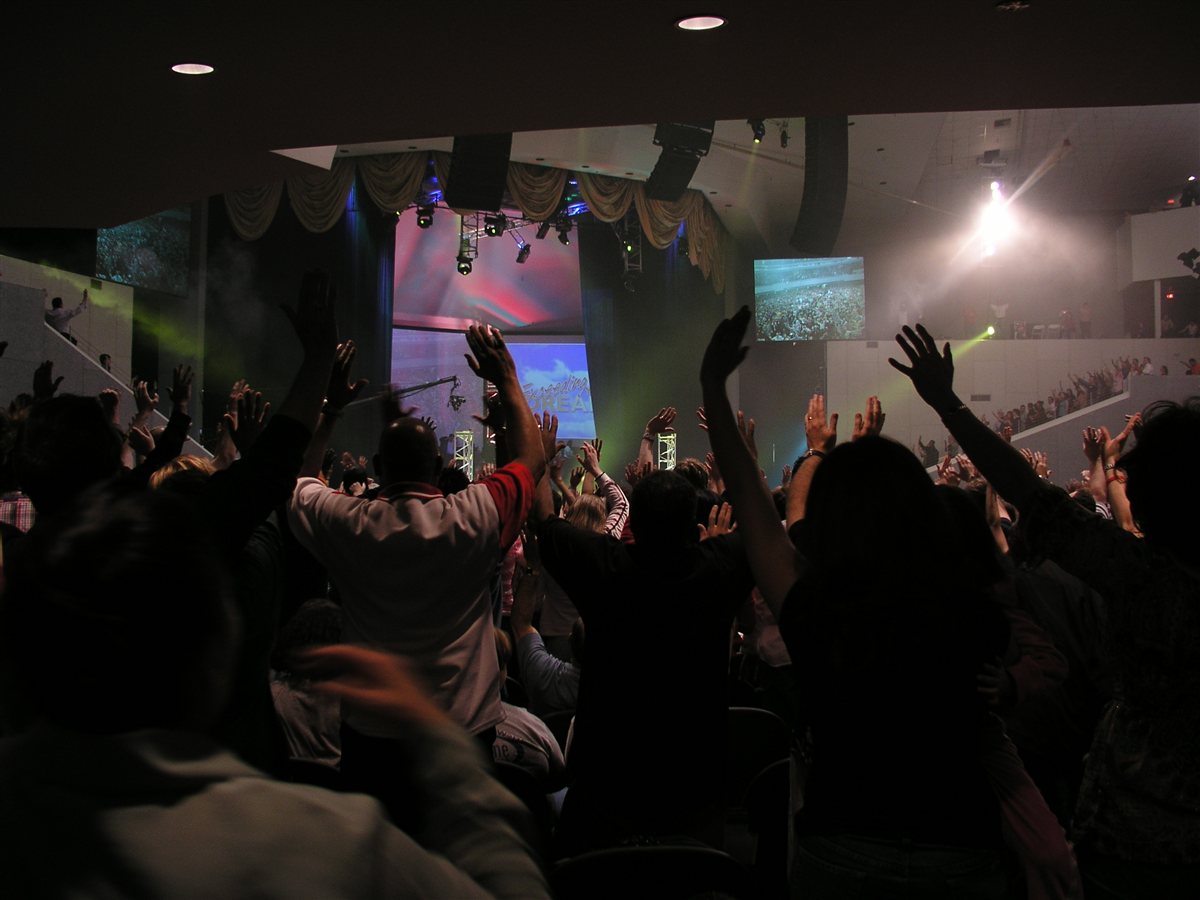
Is "evangelical" a denomination, and how should it be used?
Many readers ask whether evangelical is itself a denomination. In most religion reporting, "evangelical" describes a broad movement orientation rather than one single denomination. This distinction matters because a person can be described as evangelical while still belonging to different Protestant traditions, independent churches, or nondenominational communities.
Practical terminology guide
| Term | What it usually means | Common reporting mistake |
|---|---|---|
| Christian | Broad faith identity | Treated as denomination-specific |
| Protestant | Large branch family | Assumed to indicate one church body |
| Evangelical | Movement orientation / theological emphasis | Treated as formal denomination |
| Catholic | Specific church communion with formal sacramental structure | Conflated with generic conservative politics |
Using these definitions upfront reduces reader confusion and keeps your article aligned with standard religion desk practice.
Denomination wording that stays accurate
Prefer phrases like:
- "Publicly identified as Christian in multiple interviews."
- "Often described in reporting as evangelical."
- "No confirmed formal denominational conversion record in source X window."
- "Analysts debated whether his rhetoric aligned with Christian nationalist framing."
This wording preserves nuance while still giving users a direct answer.
Did Charlie Kirk convert to Catholicism? How to report that claim safely
Conversion claims attract high click volume because they imply a major identity shift. They also carry the highest error risk because rumors and partial reports spread faster than documentary confirmation. The safe approach is to require formal evidence standards before presenting any conversion claim as settled fact.
Evidence ladder for conversion claims
| Evidence level | What counts | Reporting status |
|---|---|---|
| Level 1 | Social posts repeating hearsay | Do not state as fact |
| Level 2 | One secondary report citing unnamed sources | Treat as unconfirmed |
| Level 3 | Multiple independent reports with named clergy/records | Report with caution + attribution |
| Level 4 | Direct institutional confirmation and date | Report as confirmed |
If your evidence never rises above Level 2, publish the claim as unresolved, not definitive.
Why this matters for credibility
Readers remember when outlets oversell confidence on personal identity stories. A transparent "current evidence status" note is usually better for trust than a harder headline that could require correction.
Why do sources disagree about Charlie Kirk faith labels?
Source disagreement is not always bad faith. In many cases, outlets are answering different questions while using similar vocabulary. One article may describe political rhetoric, another may summarize personal testimony, and a third may discuss institutional networks. Without scope labels, those can appear contradictory even when each is internally consistent.
Four disagreement drivers
- Scope mismatch: One source describes personal identity while another describes political project language.
- Time mismatch: Statements from different years are merged as if they were simultaneous.
- Term mismatch: "Evangelical" and "Protestant" are treated as identical.
- Evidence mismatch: Commentary is weighted as equal to documented first-person statements.
Fast reconciliation method
When two sources conflict, run this sequence:
- Extract exact sentence each source is making.
- Tag claim type (identity, denomination, conversion, ideology).
- Attach date and source tier.
- Compare only within the same claim type.
This method resolves most apparent contradictions in under ten minutes.
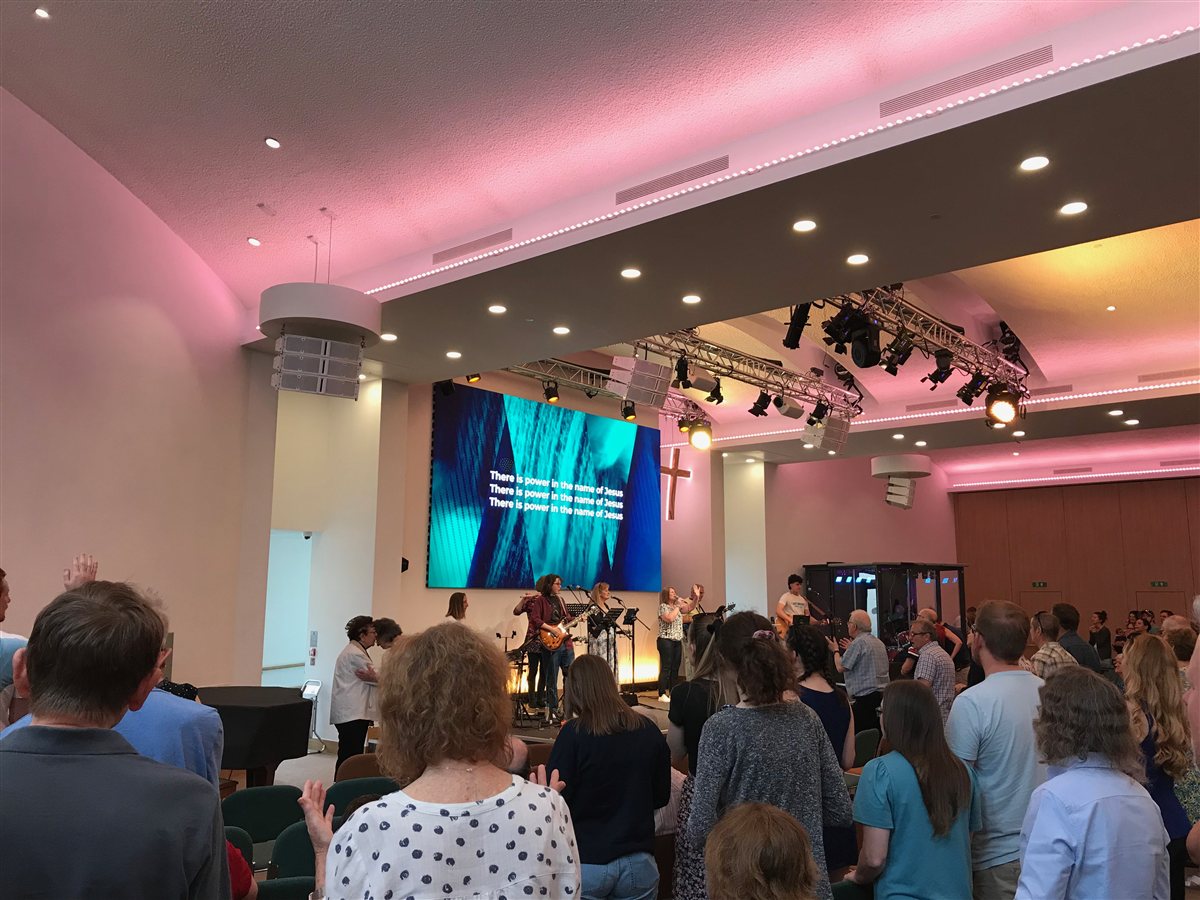
How should religion and politics framing be separated in this topic?
A common reader mistake is treating theological identity and political strategy language as the same data point. They are related but distinct. Good coverage can discuss both, but each needs explicit labeling so audiences understand what is being asserted and how strong the evidence is.
Two-lane reporting model
| Lane | Core question | Best sources |
|---|---|---|
| Faith identity lane | "How did he identify his own religion?" | Direct interviews, speeches, first-party statements |
| Political framing lane | "How did analysts categorize public rhetoric?" | Scholarly analysis, major reporting, comparative commentary |
When you merge these lanes into one paragraph, you increase both legal and editorial risk.
Example of clean separation
- Identity lane statement: "In source A, he identifies as Christian."
- Framing lane statement: "In source B, analysts argue this rhetoric fits Christian nationalist themes."
Both can be true simultaneously without requiring false certainty on denominational specifics.
What sources are strongest for this query?
The best source mix includes direct statements plus high-credibility secondary analysis. You need both: direct statements answer "what was said," and analysis explains public interpretation patterns.
Recommended source stack
- Primary speeches/interviews with date and transcript availability.
- Major reporting outlets documenting context and chronology.
- Public data or institutional references for broader religion trends.
- Analytical publications clearly labeled as interpretation.
Authoritative external references to include
For this topic, strong context sources include:
- Pew Research Center for U.S. religion trend context.
- National Center for Education Statistics for background on education/population datasets cited in public debates.
- U.S. Bureau of Labor Statistics for labor and demographic context often referenced in rhetoric discussions.
- Associated Press and NPR for major-news chronology and reported context.
External links do not make a claim true by themselves, but they increase auditability and reduce one-source dependence.
Internal reading path for this site
If you are building a full verification context, move through these pages in order:
- Start with Charlie Kirk media claim verification playbook for source-weighting rules.
- Use viral Charlie Kirk clips: why they trend for distribution mechanics and clip-context risk.
- Cross-check narrative framing in Charlie Kirk debate topics list.
- Compare institutional context in turning point usa vs turning point action.
This sequence helps readers move from claim verification to narrative interpretation without skipping methods.
A practical publishing checklist for religion-denomination claims
Before publishing any sentence about religion denomination, run this checklist and include it in editorial QA.
Pre-publication checklist
| Check | Pass condition |
|---|---|
| Claim type labeled | Identity, denomination, conversion, or ideology clearly tagged |
| Date attached | Exact date visible for every key claim |
| Source tier shown | Primary vs secondary marked |
| Confidence label present | High, medium, or low confidence declared |
| Scope wording included | Avoids universal claims from single clips |
| Terminology defined | Evangelical/Protestant/Catholic distinctions explained |
Confidence label policy
Use this standard:
- High confidence: Direct self-identification plus clear date/source.
- Medium confidence: Strong secondary reporting with some primary gaps.
- Low confidence: Rumor-heavy claim with no documentary confirmation.
Publishing confidence labels lowers correction rates and improves reader trust over time.

FAQ: Charlie Kirk religion denomination
What denomination was Charlie Kirk?
Most reporting and public statements describe a Christian identity with frequent evangelical framing language. If a source does not provide a formal denominational record, avoid presenting denomination certainty as settled fact.
Did Charlie Kirk convert to Catholicism?
Conversion claims should be treated as unconfirmed unless supported by direct institutional confirmation and dated documentation. If your evidence is limited to commentary or rumor chains, report it as unresolved.
What religion did Charlie Kirk identify with publicly?
Publicly available statements are commonly summarized as Christian self-identification, often discussed in evangelical political language. The best practice is to cite the exact source and date rather than relying on aggregated summaries.
Why do articles use different faith labels for the same person?
Different articles often answer different questions: personal identity, denomination background, or ideological framing. Labeling claim type and source tier usually resolves the apparent contradiction.
How can I verify religion-denomination claims myself?
Start with direct statements, classify each claim type, and attach confidence levels. Then compare at least two independent high-credibility sources before publishing conclusions.
Sources
- NPR context coverage: https://www.npr.org/2025/09/21/nx-s1-5533049/how-religion-shaped-charlie-kirks-politics-and-his-legacy
- AP News reporting archive: https://apnews.com/
- Pew Research Center religion research: https://www.pewresearch.org/religion/
- U.S. Bureau of Labor Statistics data: https://www.bls.gov/data/
- National Center for Education Statistics: https://nces.ed.gov/
Image Credit
- Dream City Church worship2 (CC BY-SA 3.0): https://commons.wikimedia.org/wiki/File:Dream_City_Church_worship2.jpg
- Gold Hill Baptist Church worship service (CC BY-SA 2.0): https://commons.wikimedia.org/wiki/File:Gold_Hill_Baptist_Church_worship_service.jpg
- FEMA - 39463 - Microphones at the podium (Public Domain): https://commons.wikimedia.org/wiki/File:FEMA_-_39463_-_Microphones_at_the_podium.jpg


